
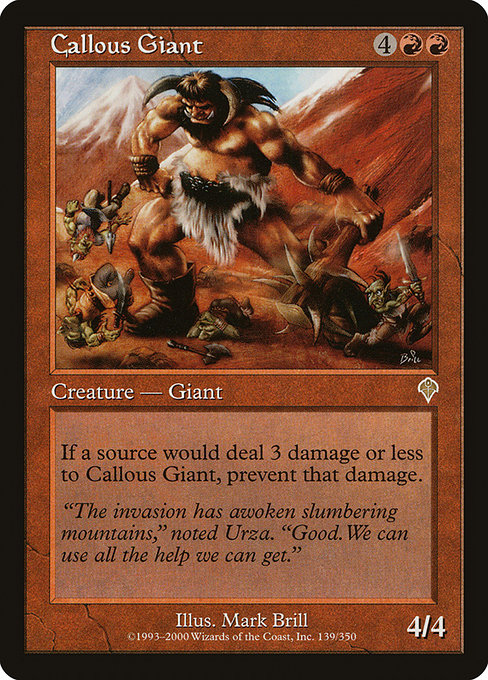
Image courtesy of Scryfall.com
Enchanting the Past, Powering the Future: The Evolution of Enchantment Design
Magic: The Gathering has always thrived on the interplay between cards and how players bend rules to tell stories on the battlefield. Enchantment design, in particular, has grown from a simple concept—protective auras and land-dinged enchantments—into a sophisticated tapestry of effects that can shape entire games. The journey traces a path from the early, purist aura interactions to modern, multi-layered enchantments that weave through every phase of play. 🧙♂️🔥
In the earliest days, enchantments were largely about auras—temporary buffs and debuffs that attached to a creature, a land, or a player. These effects were clean, direct, and easy to track, but they could be brittle in longer games where removal spells ran rampant. As a design discipline, that era rewarded quick tempo and clean combat math. As the game matured, designers began threading enchantments into more complex economic and strategic ecosystems—enchantments that could alter how players spend mana, what they attack or defend with, and even how they value information about what’s hidden in an opponent’s hand. The art of enchantment design gradually embraced complexity without losing clarity, much to the delight of veteran players who relish opportunity cost, timing, and subtle bluffing. 🎲
“The invasion has awoken slumbering mountains,” noted Urza. “Good. We can use all the help we can get.”
That flavor line from the Invasion-era aesthetic speaks to a broader shift in MTG: enchantments as gateways to grander narratives and bigger game plans. The set’s era emphasized big, kinetic moments that could swing the board and invite players to think in broader arcs rather than single-turn outcomes. Callous Giant, a rare creature from that era, embodies how a single card can sit at the nexus of raw power and protective design. Its mana cost of {4}{R}{R} and 4/4 body balance immediate threat with a defensive twist: “If a source would deal 3 or less damage to this creature, prevent that damage.” This is not an enchantment, but it signals a design philosophy—preserving a creature’s presence against small, often-overlooked punishes while enabling bigger, splashier plays later on. ⚔️💎
Callous Giant as a Case Study in Protection and Power
Callous Giant’s red mana identity is a reminder that color and mana restrictions often shape how enchantments and creatures play with damage in the broader ecosystem. The card’s prevention clause represents a microcosm of a long-standing pattern: designers exploring how to cushion the board from minor onslaughts while still leaving room for bold aggro strategies to shine. In the context of enchantment design, this translates into how cards can provide durable value in the face of removal or amplification effects that redefine what “lethal” looks like in a given matchup. The Giant’s toughness—4/4—carries weight in late-game combat, where a shield against three-or-less damage can be the difference between surviving a grueling exchange or being ground down by fast red aggression. 🧙♂️🔥
From a gameplay perspective, the evolution of enchantment design has leaned into a few enduring themes that resonate with players today:
- Durable answers, not just quick wins. Modern enchantments often outlive their spell slots and demand targeted removal or clever positioning. This teaches players to value tempo and stabilized turns that convert card advantage into lasting influence.
- Global and modal storytelling. Enchantments now frequently narrate a faction’s identity or create shared spaces on the battlefield—think of global auras, creature-boosting enchantments, or environment-altering myths that kayboard-combine with counterplay into robust archetypes. 🧨
- Framing through flavor and design cohesion. The best enchantments aren’t just powerful; they feel thematically coherent within their sets, enriching the lore and inviting players to imagine the world beyond the card text. 🎨
- Hybrid and colorless axes of interaction. The rise of evergreen mechanics that cross color boundaries has opened doors for enchantments to interact in ways that were once exclusive to spells, artifacts, or creatures. The result is a richer, more interwoven play experience. 🧭
In that sense, the evolution mirrors a larger arc in MTG’s design philosophy: balance and depth. Designers continually test the edges of what’s too dominant or too fragile, while players push back with inventive decks and innovative lineups. The result is a living, breathing design space where enchantments can be sources of intrigue, protection, or even surprise. And yes, the occasional homage card—like Callous Giant—helps anchor this history while inviting new players to explore the older sets and find echoes of these ideas in modern releases. 🎲
Strategies for Respecting the Past, Building for the Future
If you’re drafting or building a casual deck today, consider how enchantments can be employed not merely as thank-you-for-attacking buffs, but as anchors for longer-term plan synergy. Enchantment-heavy builds reward careful timing, careful filtering, and the willingness to let a well-timed aura or global effect carry you through a tough stretch. When you see a card like Callous Giant in your history books or your collection, use it as a reminder that protection can be both literal and thematic: a shield that preserves a line you’ve committed to and a signal that your strategy is durable, not fragile. 🧙♂️⚡
As modern MTG continues to push the envelope—whether through planeswalkers that demand player interaction, or enchantments that bend the rules in delightful, narrative ways—the lessons from the evolution of enchantment design stay relevant. The art, the flavor, and the mechanical depth all converge to create experiences that feel both timeless and forward-looking. And while the conversation about design will never truly end, it’s the sense of shared history that keeps the game exciting for veterans and newcomers alike. 💎🔥
Non-slip Gaming Mouse Pad - Smooth Polyester Front, Rubber BackMore from our network
- https://blog.crypto-articles.xyz/blog/post/nft-data-fuegod-level-1-combat-3-from-obelisk-paradox-player-collection-on-magiceden/
- https://crypto-acolytes.xyz/blog/post/how-to-snag-limited-time-demo-deals-without-overpaying/
- https://wiki.digital-vault.xyz/wiki/post/pokemon-tcg-stats-team-aquas-electrike-card-id-ex4-27/
- https://blog.crypto-articles.xyz/blog/post/nft-data-bmb-community-season-1-7895-from-bmb-community-airdrop-season-1-collection-on-magiceden/
- https://crypto-acolytes.xyz/blog/post/how-to-counter-charmeleon-in-the-pokemon-tcg-strategies-that-win/
Callous Giant
If a source would deal 3 or less damage to this creature, prevent that damage.
ID: 330028c4-8e91-4fe3-a87d-1660dfd2507e
Oracle ID: 7a2336ff-c8ed-4daa-b182-403c21bc8133
Multiverse IDs: 23094
TCGPlayer ID: 7446
Cardmarket ID: 3441
Colors: R
Color Identity: R
Keywords:
Rarity: Rare
Released: 2000-10-02
Artist: Mark Brill
Frame: 1997
Border: black
EDHRec Rank: 29327
Set: Invasion (inv)
Collector #: 139
Legalities
- Standard — not_legal
- Future — not_legal
- Historic — not_legal
- Timeless — not_legal
- Gladiator — not_legal
- Pioneer — not_legal
- Modern — not_legal
- Legacy — legal
- Pauper — not_legal
- Vintage — legal
- Penny — legal
- Commander — legal
- Oathbreaker — legal
- Standardbrawl — not_legal
- Brawl — not_legal
- Alchemy — not_legal
- Paupercommander — not_legal
- Duel — legal
- Oldschool — not_legal
- Premodern — legal
- Predh — legal
Prices
- USD: 0.23
- USD_FOIL: 2.89
- EUR: 0.22
- EUR_FOIL: 4.23
- TIX: 0.02
More from our network
- https://blog.digital-vault.xyz/blog/post/statistical-power-of-surgical-skullbomb-vs-similar-artifacts/
- https://articles.digital-vault.xyz/blog/post/why-remnant-from-the-ashes-devs-made-key-design-choices/
- https://crypto-acolytes.xyz/blog/post/nft-stats-fang-100-from-feral-collection/
- https://crypto-acolytes.xyz/blog/post/nft-stats-gib-1456-from-gib-collection/
- https://articles.zero-static.xyz/blog/post/guild-wars-2-hidden-crossovers-and-easter-eggs-across-games/